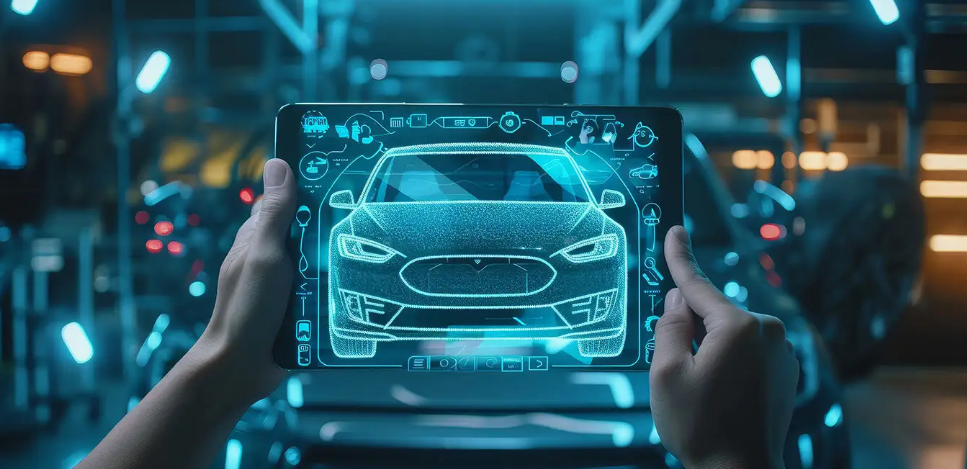
In an era where technology is intertwined with every aspect of life, vehicle inspections have not been left behind. The integration of advanced tech into vehicle inspections has reshaped how safety and maintenance are approached. Automation, sensors, and real-time data have collectively taken the wheel, leading to more efficient and accurate inspections.
Traditionally, vehicle inspections relied heavily on manual checks and human expertise. But let’s face it, humans can miss things or get tired. Enter automated systems – these high-tech marvels are designed to catch what human eyes might overlook. From scanning for hidden contraband at borders to ensuring passenger safety on the road, automated systems have revolutionized the inspection process.
The role of automated systems
Automated systems have become indispensable in modern vehicle inspections. They employ a range of technologies, including X-rays and backscatter imaging, to detect anomalies that could indicate problems or threats. These systems are not only faster but also more reliable, reducing the margin for error significantly.
Take, for example, the mobile X-ray vehicle scanning system. This system uses Interlaced Dual-energy (IDE) Imaging Technology to provide detailed images of a vehicle’s contents within minutes. This level of efficiency was unimaginable a few decades ago. The ability to relocate these systems easily makes them versatile tools for various inspection points, from seaports to border crossings.
Sensors and software keeping cars in check
Sensors and software are at the heart of modern vehicle inspection systems. These components work in tandem to monitor various aspects of a vehicle’s condition continuously. Sensors can detect everything from tire pressure to engine temperature, while sophisticated software analyzes this data in real time.
Imagine a scenario where a vehicle’s brake pads are wearing thin. In the past, this might have gone unnoticed until it became a significant safety issue. Today, sensors can detect the early signs of wear and tear, alerting drivers and mechanics before it becomes a problem. This proactive approach not only enhances safety but also extends the lifespan of vehicle components.
Real-time data and predictive maintenance
One of the most significant advancements in vehicle inspections is the use of real-time data and predictive maintenance. Real-time data allows for immediate insights into a vehicle’s health, enabling quick decision-making when issues arise. Predictive maintenance takes this a step further by using historical data to predict future failures before they happen.
This shift towards predictive maintenance is a game-changer. Instead of waiting for something to break down, potential issues can be addressed preemptively. This not only saves money on repairs but also minimizes downtime, keeping vehicles on the road longer and safer.
The future of vehicle safety with ai
Artificial intelligence (AI) is poised to take vehicle safety to new heights. AI algorithms can analyze vast amounts of data more quickly and accurately than any human ever could. This capability is particularly useful in identifying patterns and anomalies that might indicate a security threat or mechanical issue.
For instance, AI-powered systems can analyze data from multiple sources – sensors, cameras, historical maintenance records – to provide a comprehensive overview of a vehicle’s condition. Additionally, investing in advanced vehicle inspection equipment ensures that inspections are thorough and reliable. This holistic approach ensures that no stone is left unturned when it comes to safety and maintenance.
See also: Why a Registered Business Address Is Legally Required for Companies
Challenges and opportunities ahead
While the advancements in vehicle inspection technology are impressive, they are not without challenges. One of the primary concerns is ensuring that these systems are accessible and affordable for all users. Additionally, there is the challenge of integrating new technologies with existing infrastructure seamlessly.
However, these challenges also present opportunities for innovation. Companies like InsTech Netherlands are at the forefront of developing customized solutions that address these issues head-on. Their commitment to pioneering inspection solutions ensures that as technology evolves, so too will the methods used to keep vehicles safe.
The road ahead for vehicle inspections is undoubtedly paved with technological marvels. As automation, sensors, real-time data, and AI continue to evolve, so will our ability to ensure that vehicles remain safe and efficient on the road. It’s an exciting time for both the industry and those who rely on these technologies every day.