Introduction
Among the many acids used in modern skincare, salicylic acid holds a special place — not because it’s the strongest or the most dramatic in its results, but because of a specific chemical trait that makes it uniquely effective for oily and acne-prone skin: its classification as a beta-hydroxy acid, or BHA, defined by its oil-soluble nature. This single characteristic explains almost everything about how salicylic acid cleanser in pakistan works, why it’s recommended so often by dermatologists, and why it continues to be a staple ingredient in cleansers, toners, and spot treatments around the world. Understanding this chemistry helps explain not just what salicylic acid does, but why it does it so well.
What Does “Beta-Hydroxy Acid” Actually Mean?
To understand salicylic acid, it helps to understand the broader family of hydroxy acids used in skincare. These are generally divided into two categories: alpha-hydroxy acids (AHAs) and beta-hydroxy acids (BHAs). The difference lies in their molecular structure — specifically, the position of a hydroxyl group relative to the carboxylic acid group in the molecule.
AHAs, such as glycolic acid and lactic acid, have their hydroxyl group directly attached to the carbon next to the carboxylic acid group. BHAs, on the other hand, have this hydroxyl group one carbon further away. This might sound like a minor technical distinction, but it has a major practical consequence: this structural difference is what makes BHAs like salicylic acid fat-soluble, while AHAs remain water-soluble.
Salicylic acid is currently the only BHA widely used in skincare, which is part of why the terms “BHA” and “salicylic acid” are often used almost interchangeably in the beauty industry.
The Significance of Oil-Solubility
The oil-soluble (or lipophilic) nature of salicylic acid is what truly sets it apart from other exfoliating acids. Water-soluble acids like AHAs work primarily on the surface of the skin, where they help loosen the bonds between dead skin cells sitting on top of the epidermis. This is excellent for improving surface texture and radiance, but it doesn’t do much to address problems happening deeper inside the pore.
Because salicylic acid is oil-soluble, it behaves very differently. It can dissolve into and move through the lipid-rich environment of the skin’s outer layers and into the sebum that fills hair follicles and pores. This gives salicylic acid the unique ability to reach inside the pore itself — an area that is essentially inaccessible to water-soluble acids.
Why This Matters for Acne-Prone and Oily Skin
Acne and clogged pores typically begin with a buildup inside the follicle: excess sebum mixes with dead skin cells and sometimes bacteria, creating a blockage. Left untreated, this can develop into blackheads, whiteheads, or inflamed, painful breakouts.
Because salicylic acid’s oil-soluble nature allows it to travel directly into this sebum-filled environment, it can work at the actual source of the problem rather than just addressing the surface. Once inside the pore, salicylic acid helps break down the accumulation of dead skin cells and oil, allowing the pore to clear and reducing the likelihood of new blockages forming. This is why salicylic acid is frequently recommended specifically for oily, combination, and acne-prone skin types, while AHAs are often favored more for dryness, dullness, and surface texture concerns.
Additional Properties Beyond Exfoliation
Beyond its role as an exfoliant, salicylic acid’s chemical profile gives it a few additional benefits that make it particularly well-suited to acne treatment:
Anti-inflammatory effects: Salicylic acid is chemically related to aspirin (acetylsalicylic acid), and it shares some mild anti-inflammatory properties. This can help calm the redness and swelling that often accompanies active breakouts.
Antibacterial support: While not a direct antibacterial agent in the same way as benzoyl peroxide, salicylic acid’s pore-clearing action reduces the environment in which acne-causing bacteria thrive, indirectly supporting clearer skin over time.
Oil regulation: By continually clearing built-up sebum from the pore lining, regular use of salicylic acid can help regulate the appearance of oiliness and shine throughout the day.
Common Uses in Skincare Products
Because of its versatile oil-soluble action, salicylic acid appears in a wide range of skincare formats, each suited to different needs:
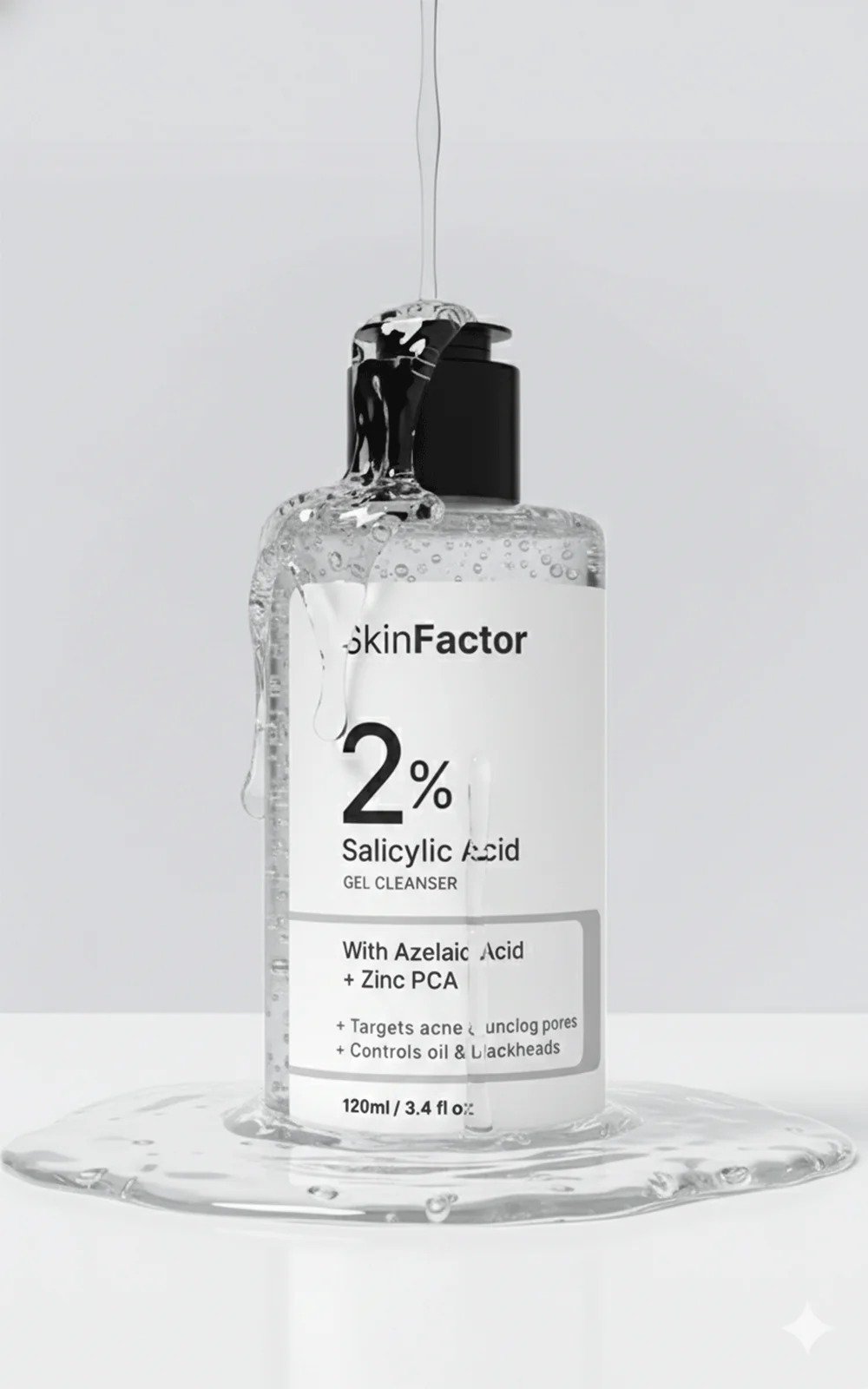
Cleansers and face washes – Typically formulated between 0.5% and 2%, offering brief-contact exfoliation suitable for daily use.
Toners – Designed for slightly longer contact time, often used to target overall pore congestion across the face.
Spot treatments – Higher-concentration formulas applied directly to active blemishes for more targeted action.
Chemical peels – Professional or at-home peel formulations, sometimes reaching higher concentrations for more intensive exfoliation under proper guidance.
See also: Natural Wellness at Home: Cultivating Plants with Purpose
Considerations and Precautions
Despite its many benefits, salicylic acid’s oil-soluble, penetrating nature means it isn’t necessarily suited to every skin type or situation without some caution:
Dryness and irritation: Because it works so effectively at removing oil and buildup, overuse can lead to dryness, flaking, or a compromised skin barrier — particularly in those with naturally dry or sensitive skin.
Sun sensitivity: Regular use of salicylic acid can increase the skin’s sensitivity to UV exposure, making daily sunscreen use essential.
Purging period: New users may notice a temporary increase in visible breakouts during the first few weeks of use, as increased cell turnover brings underlying congestion to the surface. This is different from true irritation, which presents as redness, burning, or excessive dryness.
Combining with other actives: Using salicylic acid alongside other strong exfoliants, like retinoids or additional acids, in the same routine can increase the risk of over-exfoliation, so it’s generally recommended to introduce new active ingredients gradually and one at a time.
Conclusion
Salicylic acid’s classification as a beta-hydroxy acid, and specifically its oil-soluble nature, is the defining characteristic that makes it such a valuable tool in modern skincare. Unlike water-soluble alpha-hydroxy acids that primarily address the skin’s surface, salicylic acid can travel into the oil-filled environment of the pore itself, targeting acne, blackheads, and congestion directly at their source. This is why it remains one of the most widely recommended ingredients for oily and acne-prone skin, appearing across cleansers, toners, spot treatments, and peels worldwide. Understanding this underlying chemistry not only explains why salicylic acid works the way it does, but also helps guide smarter choices about how and when to use it effectively.
Disclaimer: This article is intended for general educational purposes and is not a substitute for professional dermatological advice. Individual skin responses vary, and anyone with specific skin conditions should consult a dermatologist before starting a new skincare routine.