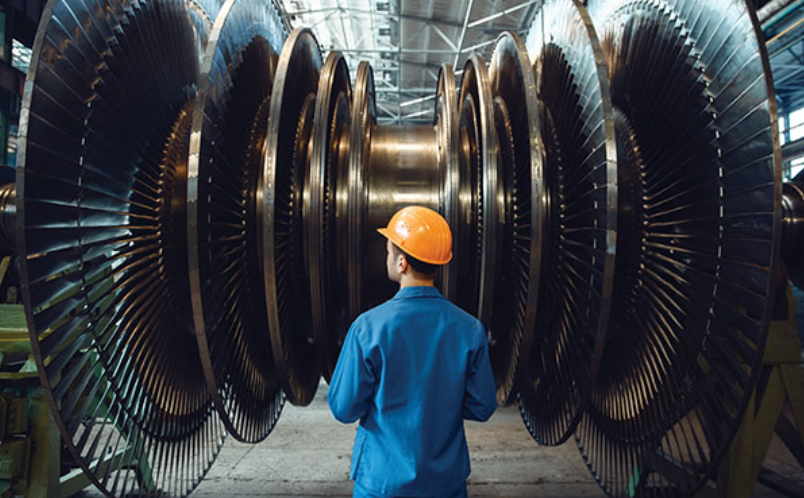
Steam turbines are vital assets in power plants, refineries, and industrial facilities, converting thermal energy from steam into mechanical power. Among the most critical components in a steam turbine system are the steam turbine valves, which regulate steam flow, pressure, and turbine speed. Over time, these valves experience wear due to high temperatures, pressure fluctuations, and continuous operation. Steam turbine valve repair is essential to maintain precise control, prevent energy losses, and ensure safe turbine operation.
This article explores the role of steam turbine valves, common failure modes, repair processes, and best practices for maintaining valve performance and reliability.
The Role of Steam Turbine Valves
Steam turbine valves control the admission and regulation of steam entering the turbine. Their primary functions include:
- Controlling Steam Flow: Regulates the amount of steam entering the turbine to meet load demands.
- Maintaining Speed and Load: Ensures stable turbine operation under varying conditions.
- Protecting the Turbine: Provides rapid shutoff during emergencies or overspeed conditions.
- Optimizing Efficiency: Ensures smooth and efficient steam admission to the turbine stages.
Because these valves directly affect turbine performance and safety, their condition is critical to overall system reliability.
See also: Skills Needed for a Tech-Driven World
Types of Steam Turbine Valves
Steam turbine systems use several types of valves, each with a specific function:
1. Main Stop Valves
- Act as primary safety devices that completely shut off steam flow to the turbine.
- Operate during startup, shutdown, or emergency situations.
- Designed to close quickly to protect the turbine from overspeed.
2. Control (Governing) Valves
- Regulate steam flow during normal operation.
- Adjust turbine speed and load based on demand.
- Require precise movement and sealing for efficient operation.
3. Reheat Stop and Intercept Valves
- Used in reheat turbines to control steam between high-pressure and intermediate-pressure stages.
- Protect the turbine from overspeed during load rejection.
4. Bypass and Admission Valves
- Divert steam during startup or load changes.
- Help maintain boiler and turbine stability.
Each valve type must function reliably to ensure safe and efficient turbine operation.
Common Causes of Steam Turbine Valve Damage
Steam turbine valves operate in extreme conditions, making them susceptible to various forms of wear and damage:
1. Erosion and Corrosion
- High-velocity steam can erode valve seats and discs.
- Moisture, oxygen, and impurities in steam can cause corrosion.
2. Thermal Stress
- Frequent startups and shutdowns cause thermal expansion and contraction.
- Thermal cycling can lead to cracking or distortion of valve components.
3. Seat and Disc Wear
- Repeated opening and closing cause wear on sealing surfaces.
- Poor sealing results in steam leakage and efficiency loss.
4. Actuator and Stem Issues
- Wear or misalignment of valve stems affects movement and control accuracy.
- Actuator failures can prevent proper valve operation.
5. Deposits and Fouling
- Scale or debris buildup restricts valve movement.
- Deposits interfere with proper sealing and flow control.
Signs That Steam Turbine Valves Need Repair
Early detection of valve problems can prevent serious turbine damage. Common warning signs include:
- Steam Leakage: Visible steam escaping from valve bodies or seals.
- Reduced Turbine Efficiency: Lower power output or increased fuel consumption.
- Erratic Turbine Speed or Load Control: Unstable valve operation affects performance.
- Increased Vibration or Noise: Indication of improper steam admission.
- Delayed Valve Response: Slow or incomplete valve movement during operation.
When these signs appear, professional steam turbine valve repair should be scheduled promptly.
Steam Turbine Valve Repair Process
Effective valve repair requires precision, expertise, and adherence to OEM specifications. The typical repair process includes:
1. Inspection and Assessment
- Visual inspection of valve body, disc, seat, stem, and actuator.
- Non-destructive testing (NDT) such as dye penetrant or ultrasonic testing.
- Measurement of clearances, wear, and distortion.
2. Disassembly and Cleaning
- Careful disassembly to prevent damage to components.
- Removal of deposits, corrosion, and debris using chemical or mechanical cleaning methods.
3. Seat and Disc Restoration
- Machining or lapping worn seating surfaces to restore sealing.
- Welding and re-machining severely worn or damaged areas.
- Ensuring correct surface finish and alignment.
4. Stem and Actuator Repair
- Straightening or replacing bent or worn valve stems.
- Repairing or replacing actuator components.
- Recalibrating actuators for accurate valve positioning.
5. Seal and Packing Replacement
- Replacing worn packing, gaskets, and seals.
- Using high-temperature, pressure-resistant materials.
6. Reassembly and Testing
- Reassembling components according to OEM specifications.
- Pressure testing and functional testing to verify performance.
- Ensuring smooth operation and leak-free sealing.
Benefits of Professional Steam Turbine Valve Repair
Partnering with experienced repair specialists offers significant advantages:
- Restored Efficiency: Proper sealing and control improve steam utilization.
- Improved Reliability: Reduces the risk of valve-related failures.
- Enhanced Safety: Ensures rapid and reliable valve closure during emergencies.
- Extended Component Life: Repairs delay the need for costly replacements.
- Reduced Downtime: Professional repairs are faster and more effective.
Preventive Measures to Extend Valve Life
In addition to professional repair, preventive measures help extend valve service life:
- Maintain Steam Quality: Proper water treatment reduces corrosion and deposits.
- Routine Inspections: Regular checks identify early signs of wear.
- Controlled Startup and Shutdown: Reduces thermal stress on valve components.
- Lubrication and Calibration: Ensures smooth operation and accurate control.
- Monitoring Systems: Use sensors to track valve performance and response time.
Choosing the Right Steam Turbine Valve Repair Service
Selecting a reliable repair provider is critical. Consider the following factors:
- Experience: Proven expertise in steam turbine valve repair.
- Certifications: ISO or OEM approvals ensure quality standards.
- Comprehensive Capabilities: Ability to repair seats, discs, stems, and actuators.
- Testing Facilities: Access to pressure and functional testing equipment.
- Warranty and Support: Assurance of workmanship and post-repair support.
Conclusion
Steam turbine valves play a vital role in controlling steam flow, maintaining turbine stability, and ensuring operational safety. Over time, wear from erosion, corrosion, thermal stress, and mechanical fatigue can compromise valve performance. Steam turbine valve repair restores precise control, improves efficiency, and prevents costly turbine damage.
By recognizing early warning signs, following a structured repair process, and partnering with experienced professionals, operators can ensure reliable valve performance and extended turbine life. Investing in proper valve repair and preventive maintenance is not just a maintenance task—it is a strategic decision that supports safe, efficient, and profitable steam turbine operation.