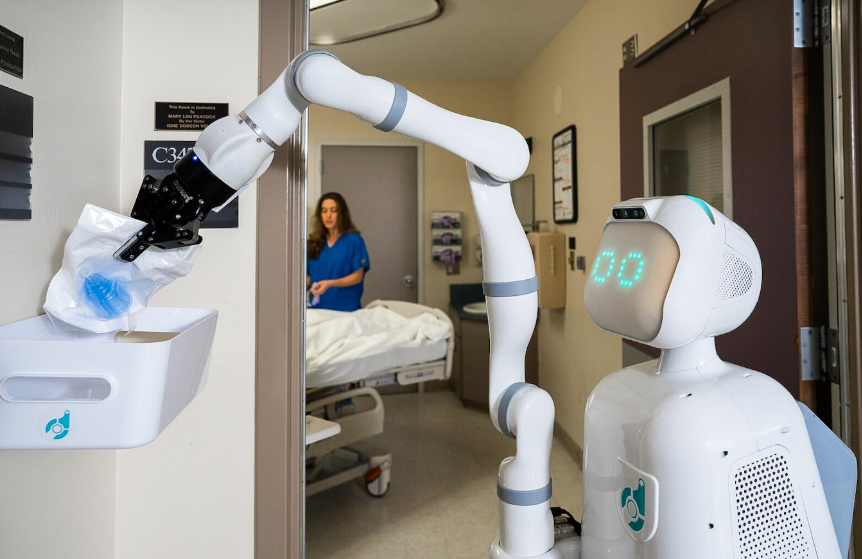
The integration of robots in healthcare is transforming traditional practices. Surgical robots enhance precision in operations, while robotic rehabilitation tools support patient recovery. AI-driven diagnostics promise improved accuracy and earlier disease detection. However, as these technologies advance, they also raise critical ethical questions about privacy and the workforce. Understanding the implications of this shift is crucial for the future of healthcare. What challenges and opportunities lie ahead in this evolving landscape?
The Role of Surgical Robots in Modern Medicine
As advancements in technology continue to reshape healthcare, surgical robots have emerged as pivotal tools in modern medicine.
These innovative devices facilitate minimally invasive procedures, significantly reducing patient recovery times and minimizing surgical trauma.
Advancements in Robotic Rehabilitation
Robotic rehabilitation has significantly transformed the landscape of physical therapy, offering patients innovative solutions for recovery and mobility enhancement.
Advancements in robotic exoskeletons enable improved support for individuals with mobility impairments, while tele rehabilitation facilitates remote therapy sessions, ensuring continuous progress.
These technologies empower patients, fostering independence and enhancing their overall quality of life, thus marking a pivotal shift in rehabilitation practices.
See also: Risks and Benefits of FinTech
AI and Robotics in Diagnostics
The integration of artificial intelligence (AI) and robotics into diagnostic processes is revolutionizing how healthcare professionals identify and treat medical conditions.
AI algorithms enhance diagnostic accuracy, enabling earlier detection of diseases. Robotic imaging technologies provide detailed insights into patient conditions, while advanced patient monitoring systems ensure continuous assessment.
Together, these innovations empower physicians, ultimately improving patient outcomes and fostering a proactive approach to healthcare.
Ethical Considerations in Robotic Healthcare Integration
While the integration of robots into healthcare offers transformative benefits, it also raises significant ethical considerations that must be addressed.
Key issues include patient privacy, where sensitive data may be compromised, and consent issues, as patients may not fully understand robotic roles.
Furthermore, establishing accountability frameworks is crucial to address potential errors, while job displacement raises concerns about the future of the healthcare workforce.
Conclusion
In the grand tapestry of modern medicine, robots emerge as the shimmering thread that weaves together precision, efficiency, and hope. These mechanical marvels not only perform delicate surgeries with the finesse of a maestro but also empower patients to reclaim their lives through rehabilitation. However, as society stands on the precipice of this technological renaissance, it must grapple with the profound ethical dilemmas that accompany such rapid advancement, lest we allow progress to overshadow the essence of human care.